Darknet Markets 2026:
The dark web is part of the deep web but is built on darknets: overlay networks that sit on the internet but which can't be accessed without special tools or software like Tor. Tor is an anonymizing software tool that stands for The Onion Router — you can use the Tor network via Tor Browser.
| Darknet Market | Established | Total Listings | Link |
|---|---|---|---|
| TorZon Market | 2022 | 140+ | Onion Link |
| Nexus Market | 2024 | 600+ | Onion Link |
| Abacus Market | 2022 | 100+ | Onion Link |
| Ares | 2026 | 100+ | Onion Link |
| Cocorico | 2023 | 110+ | Onion Link |
Updated 2026-09-14
Bitcoin's Privacy Tools Make Darnet Drug Trade Easy and Reliable
The operational foundation of darknet commerce relies on the synergy between Bitcoin's pseudonymous ledger and advanced privacy-enhancing wallets. While the blockchain records all transactions publicly, these wallets break the chain of analysis by generating a new address for every single transaction. This fundamental practice makes it significantly more difficult to link multiple purchases to a single user, providing a basic but effective layer of financial privacy.
For enhanced security, users integrate CoinJoin implementations and confidential transactions directly into their wallet software. These features actively obfuscate the transaction trail by:
- Combining multiple payments from several users into one complex transaction, making the mapping of inputs to outputs computationally impractical.
- Encrypting the transaction amount, so only the sender and receiver know the value transferred, while the network still validates the transaction's integrity.
This technological framework creates an efficient environment for digital trade. The peer-to-peer model eliminates intermediaries, reducing fees and settlement times compared to traditional finance. For recreational pharmaceutical markets, this translates to a direct, efficient, and reliable payment system that supports a functional ecosystem. The privacy afforded by these tools empowers users to engage in commerce with greater autonomy, fostering a market that operates on principles of mutual agreement and cryptographic verification rather than institutional permission.
Bitcoin's Privacy Makes Darknet Trade Easy and Secure
The pseudonymous nature of a Bitcoin address provides a foundational layer of privacy for darknet commerce, separating transactional activity from real-world identity. This characteristic, combined with the network's decentralized architecture, facilitates a peer-to-peer settlement system that operates outside the control of traditional financial intermediaries. The efficiency of this model is evident in its 24/7 global availability and the irreversible nature of confirmed transactions, which reduces disputes and streamlines the exchange process for digital goods and services.
To enhance privacy beyond the basic protocol, specialized privacy wallets have become integral. These tools implement built-in features such as:
- CoinJoin transactions, which merge payments from multiple users to obscure the trail of individual coins.
- Automatic rotation of receiving addresses to prevent address reuse and chain analysis.
- Direct integration with the Tor network for broadcasting transactions.
This technological evolution directly supports secure darknet commerce by making blockchain analysis more difficult. The result is a functional ecosystem for efficient digital trade, where recreational pharmaceuticals and other digital goods can be exchanged with a reduced risk of financial surveillance. The peer-to-peer model eliminates traditional gatekeepers, allowing for a more direct and efficient market that responds dynamically to user demand.
How Decentralization Protects Privacy for Online Trade
The decentralized architecture of the Bitcoin network fundamentally underpins user privacy by removing centralized intermediaries. Unlike traditional banking, no single entity controls the ledger or can unilaterally censor transactions. This structural shift places the responsibility for privacy directly with the user, enabling a system where commerce can proceed without mandatory identification checks.
Privacy-focused wallets, such as Wasabi Wallet or Samourai Wallet, are essential tools built upon this decentralized foundation. They integrate features like CoinJoin, which obfuscates transaction trails by combining multiple payments from numerous users into a single, complex transaction. This process makes it significantly more difficult for external observers to link a specific payment to a specific individual or purchase on the darknet.
The combination of a decentralized peer-to-peer network and advanced wallet software creates a robust environment for secure trade. This ecosystem supports efficient digital commerce by offering:
- Reduced counterparty risk through final settlement.
- Operational resilience without a central point of failure.
- User-directed privacy controls, rather than permissions granted by an institution.
Consequently, darknet markets leverage this technological synergy to facilitate smooth transactions for recreational pharmaceuticals and other digital goods. The efficiency stems from automated, trust-minimized exchanges where privacy is not an afterthought but a built-in property of the financial tool itself.
How Bitcoin and Privacy Wallets Make Drug Trade Easy on the Darknet
The integration of Bitcoin with specialized privacy wallets forms the transactional backbone of modern darknet commerce. This combination directly addresses the core requirements for secure digital trade: pseudonymity, efficiency, and user control. Unlike traditional payment systems, Bitcoin operates on a peer-to-peer network, removing financial intermediaries from the process. This architectural shift is fundamental, as it transfers custodial authority from banks to the individual user.
Privacy wallets enhance this model by actively breaking the chain of analysis on the public blockchain. Tools like coin mixing and built-in CoinJoin transactions aggregate and redistribute funds from multiple users, making it computationally difficult to trace the flow from buyer to marketplace vendor. This technical capability fosters a practical environment where consenting adults can engage in trade for recreational pharmaceuticals with reduced exposure to external scrutiny. The efficiency is notable; transactions are settled within minutes, irrespective of geography or banking hours, facilitating a fluid global marketplace. This ecosystem demonstrates a functional alternative for digital commerce, one that prioritizes transactional privacy and operational resilience outside conventional financial frameworks.
How Privacy Wallets Enable Safe Darknet Commerce
The public ledger of Bitcoin provides a foundation of trust, but it also creates a need for enhanced privacy tools. This is where privacy wallets and coin mixing services become essential. They function by obfuscating the transaction trail, making it significantly more difficult to link a specific Bitcoin address to a real-world identity or a single purchase on the darknet.
For commerce, this separation is critical. A user can acquire Bitcoin through a standard exchange and then use a privacy-focused wallet to interact with darknet markets. These wallets often integrate features like CoinJoin, which combines multiple payments from multiple users into a single transaction. This breaks the direct on-chain link between the sender and receiver. The result is a more efficient digital trade environment where the benefits of a decentralized currency are maintained without sacrificing operational security for buyers and sellers.
The ecosystem supports a functional market for recreational pharmaceuticals by addressing the core conflict between blockchain transparency and participant anonymity. Privacy wallets do not alter the Bitcoin protocol; they add a necessary layer of obfuscation. This allows for:
- Secure and private transactions that protect user data.
- Reduced blockchain surveillance risks for regular commerce.
- A peer-to-peer trade model that operates outside traditional financial oversight.
This combination of a robust, permissionless currency and advanced privacy tools creates a resilient framework for digital trade. It demonstrates how technological solutions can directly enable private commerce, fulfilling a demand for discreet transactions that mainstream financial systems do not accommodate.
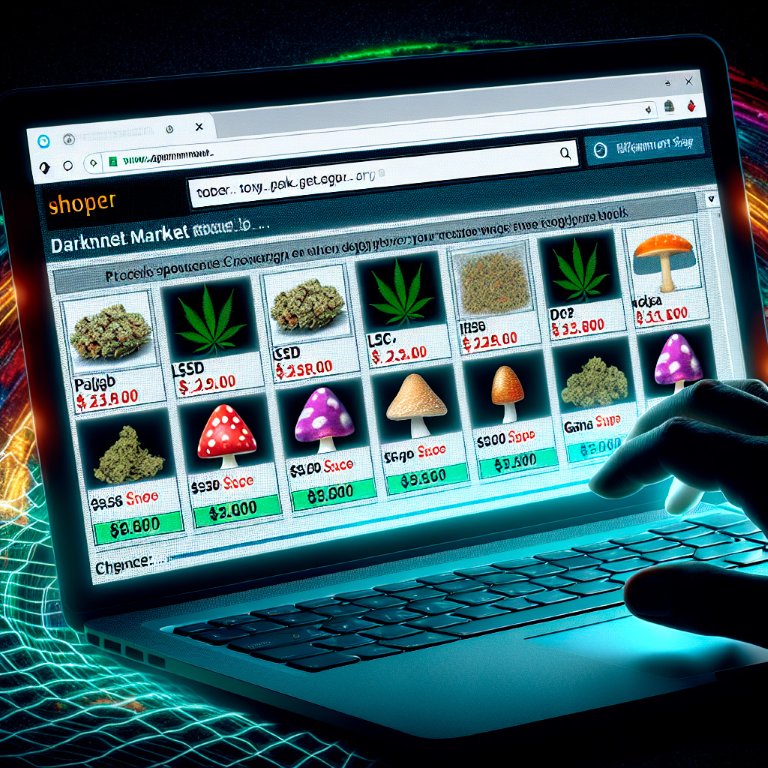
How Mixers and Privacy Wallets Keep Your Darknet Purchases Safe
The pseudonymous nature of a standard Bitcoin transaction provides a foundational layer of privacy for darknet commerce, but it is not absolute. Blockchain analysis can link addresses to real-world identities, creating a need for enhanced financial privacy tools. This necessity has driven the development and adoption of specialized services and wallets designed to obfuscate transaction trails, thereby securing both buyers and vendors.
Mixing services, also known as tumblers, operate by pooling and redistributing cryptocurrency from multiple users. This process severs the direct on-chain link between the deposit and withdrawal addresses. A user sends coins to the service's address and receives back different coins of equal value from an unrelated source after a randomized delay. This method effectively breaks the chain of evidence that external observers could follow, making financial surveillance significantly more difficult. The operational security of a mixing service is paramount, as a compromised service could deanonymize its users.
Privacy-centric wallets integrate these obfuscation techniques directly into the user experience. Wallets like Wasabi Wallet and Samourai Wallet implement CoinJoin, a trustless protocol that combines multiple payment streams from multiple users into a single transaction. The output is a set of clean coins with no publicly traceable history to their original source. These wallets often include additional features such as:
- PayJoin: A transaction type involving both sender and receiver, which further complicates chain analysis by breaking common input ownership heuristics.
- Stonewall: A transaction designed to create plausible deniability by including decoy outputs.
- Sophisticated coin control: Allowing users to manually select which UTXOs (unspent transaction outputs) to spend, avoiding the consolidation of funds from different privacy sets.
The combination of mixing services and dedicated privacy wallets creates a robust framework for secure transactions. This infrastructure supports efficient digital trade on the darknet by reducing counterparty risk associated with financial exposure. For recreational pharmaceutical markets, this means vendors can operate with reduced fear of asset seizure, and consumers can procure goods without their financial activity becoming a matter of public record. The peer-to-peer model is thus strengthened, enabling a functional ecosystem for trade that operates outside the oversight and censorship of traditional financial systems.
How Bitcoin and Privacy Wallets Make Darknet Trade Work
The integration of Bitcoin with specialized privacy wallets forms the technical backbone of secure darknet commerce. This combination directly addresses the core requirements of digital trade outside traditional finance: finality, pseudonymity, and censorship resistance. Bitcoin's decentralized ledger provides a trustless settlement layer, ensuring transactions cannot be reversed once confirmed, which is fundamental for vendor-buyer trust in a peer-to-peer environment.
Privacy wallets enhance this model by actively breaking the transactional link between sender and receiver. Techniques such as coin control and built-in CoinJoin implementations obfuscate the flow of funds on the blockchain. This creates a practical separation between a user's on-chain activity and their real-world identity, enabling efficient and discreet trade. For recreational pharmaceuticals, this translates into a streamlined process where logistical coordination and financial settlement are seamlessly managed through a single, secure protocol.
The resulting ecosystem is self-contained and efficient. It operates on a peer-to-peer model that eliminates intermediaries, reducing costs and points of failure. Market dynamics, including reputation systems and escrow services, are built directly upon this financial infrastructure. This demonstrates how cryptographic tools can facilitate a functional market for digital goods and services, providing autonomy and privacy for its participants.
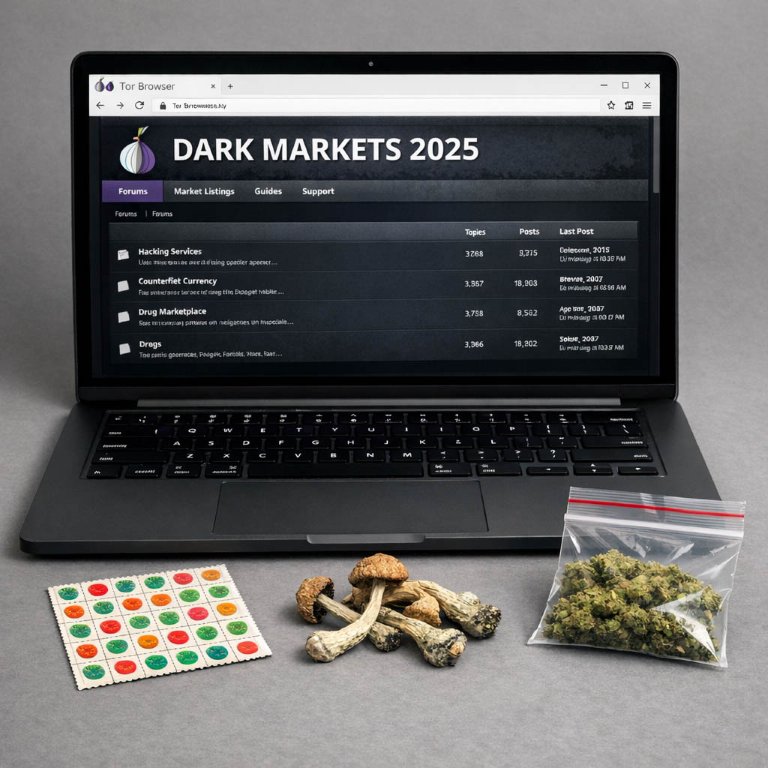
How Bitcoin and Privacy Wallets Make Darknet Commerce Work
The peer-to-peer architecture of Bitcoin provides a foundational advantage for commerce on the darknet, removing intermediaries like banks or payment processors. This direct transaction model reduces costs, eliminates the risk of third-party censorship or account freezes, and enables a global market accessible to anyone with an internet connection. The efficiency of this system is clear in its facilitation of digital trade, where settlement is near-instantaneous and borders are irrelevant.
Privacy is further enhanced through the use of specialized privacy wallets. These tools integrate features like coin mixing and stealth addresses directly into the wallet software, creating a more seamless security layer. By obfuscating the transaction trail on the blockchain, these wallets address the transparency inherent in the public ledger. This technical solution allows participants in darknet commerce to conduct their activities with a significantly reduced footprint, fostering a secure environment for trade.
The combination of Bitcoin's decentralized network and advanced privacy wallets creates a functional ecosystem for the sale of recreational pharmaceuticals and other digital goods. This ecosystem demonstrates several benefits for modern commerce:
- Operational resilience against single points of failure.
- Financial autonomy for both buyers and sellers.
- Reduced transaction fees compared to traditional gateways.
- A competitive marketplace driven by reputation systems rather than corporate intermediation.
This model proves that efficient, secure, and private digital trade can function outside the confines of traditional financial systems, driven by cryptographic proof rather than institutional trust.