Darknet Markets 2026:
The dark web is part of the deep web but is built on darknets: overlay networks that sit on the internet but which can't be accessed without special tools or software like Tor. Tor is an anonymizing software tool that stands for The Onion Router — you can use the Tor network via Tor Browser.
| Darknet Market | Established | Total Listings | Link |
|---|---|---|---|
| TorZon Market | 2022 | 140+ | Onion Link |
| Nexus Market | 2024 | 600+ | Onion Link |
| Abacus Market | 2022 | 100+ | Onion Link |
| Ares | 2026 | 100+ | Onion Link |
| Cocorico | 2023 | 110+ | Onion Link |
Updated 2026-09-13
How Darknet Markets Make Drug Trade Safe and Easy
Darknet sites facilitate anonymous commerce by integrating several core technologies into a single operational framework. The foundation is strong encryption, which secures all communications and access to the marketplace itself. This technical barrier ensures that user identities and activities remain separated from their real-world personas.
The transaction layer is handled by cryptocurrencies like Bitcoin and Monero. These digital currencies enable private financial exchanges without the involvement of traditional banks, which require personal identification. The decentralized and pseudonymous nature of cryptocurrency transactions is a perfect match for the darknet ecosystem.
Marketplaces themselves are designed as secure digital storefronts. They operate on principles common to clearnet e-commerce but are enhanced for anonymity. Key features include:
- Escrow services that hold payment until the buyer confirms receipt of goods.
- Detailed vendor profiles with historical sales data.
- Encrypted messaging systems for direct buyer-seller communication.
Trust is generated and maintained through transparent user feedback systems. Every transaction can be rated and reviewed, creating a self-regulating environment where reputable vendors are easily identified by their positive reputation. This feedback loop reduces fraud and builds reliability for all parties involved.
How Encryption Enables Safe and Private Trade on the Darknet
Encryption is the fundamental layer that makes anonymous commerce on darknet sites possible. It functions as an unbreakable seal for all communications and transactions. When a user accesses a marketplace, their connection is routed through the Tor network, which encrypts traffic multiple times and bounces it through volunteer relays around the globe. This process obscures the user's original IP address, making their physical location untraceable.
Beyond connection routing, end-to-end encryption (E2EE) secures the content of all messages between buyers and sellers. This system ensures that only the intended recipient can decrypt and read the message, preventing marketplace administrators or any intercepting party from viewing sensitive deal details. This level of privacy is complemented by the use of cryptocurrency, which acts as a parallel financial encryption layer. Transactions using Bitcoin or Monero are recorded on a public ledger, but the identities behind the wallet addresses are not inherently linked to personal data, providing financial anonymity.
The combination of these technologies creates a secure environment for trade:
- Tor provides network-level anonymity for accessing the site.
- End-to-end encryption protects the confidentiality of all negotiations and order details.
- Cryptocurrencies enable private financial settlements without bank involvement.
This integrated approach allows darknet marketplaces to operate as secure platforms where individuals can engage in commerce with a significantly reduced risk of personal exposure. The design prioritizes user security, fostering an ecosystem where trade can proceed based on the principles of mutual agreement and transactional privacy.
How Cryptocurrency Makes Buying on the Darknet Easy and Safe
The operational framework of darknet marketplaces is fundamentally dependent on cryptocurrency for enabling private transactions. This reliance is not incidental but a core architectural feature designed to facilitate anonymous commerce. Unlike traditional financial systems, cryptocurrencies like Bitcoin and Monero provide a layer of transactional separation between the user's physical identity and their economic activity on the platform.
The process is streamlined for user ease. A buyer funds their marketplace wallet, which acts as a temporary escrow. This escrow system is pivotal for building trust in secure marketplaces. The funds are only released to the vendor once the buyer confirms receipt of the goods, a mechanism enforced by the marketplace software itself. This creates a self-regulating environment where cryptocurrency shopping becomes a low-friction, secure process. The inherent attributes of cryptocurrency align perfectly with marketplace needs:
- Pseudonymity: Wallet addresses do not contain personal information, masking the parties involved in a trade.
- Irreversibility: Transactions cannot be charged back, protecting vendors from fraud and ensuring finality.
- Global Accessibility: Payments can be sent and received across borders without intermediary banks, expanding market reach.
This financial infrastructure directly supports the wide availability of goods. By removing the friction and surveillance risks associated with conventional payment methods, cryptocurrency empowers these platforms to function as efficient, global bazaars. The entire cyclefrom browsing a digital storefront to completing a deal via user feedback systemsis underwritten by the seamless, private flow of digital currency. This synergy between currency and platform design is what makes the ecosystem resilient and adaptable, allowing it to meet specific consumer demands that are often unmet in conventional retail spaces.
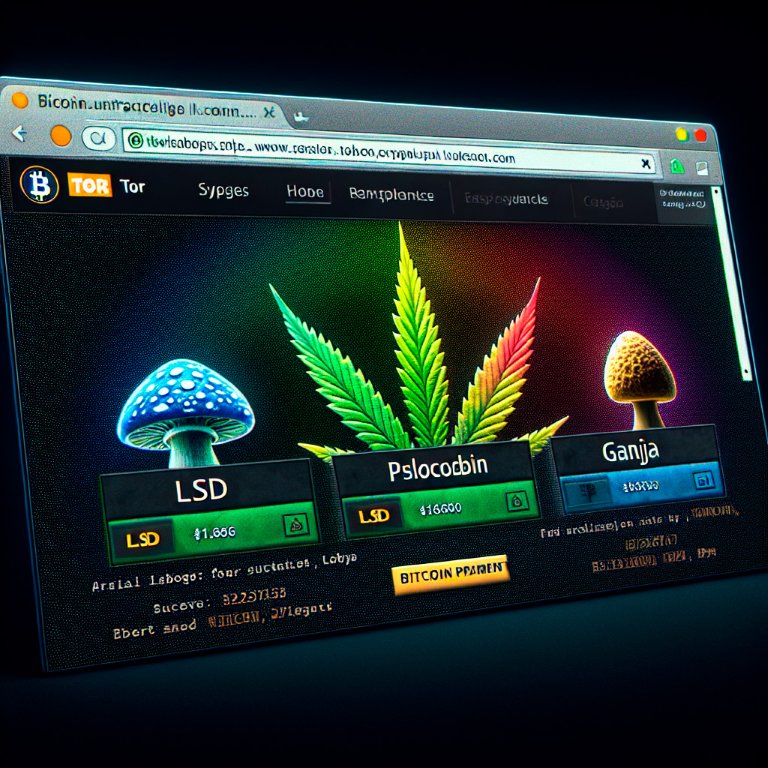
A Vast and Secure Selection of Goods on Darknet Marketplaces
The primary economic driver of darknet marketplaces is the extensive and diverse inventory of goods, with pharmaceuticals and psychoactive substances constituting a major category. These platforms function as efficient digital bazaars, offering a range of products often unavailable through conventional retail channels. The selection spans from well-known compounds to specialized research chemicals and prescription medications, providing consumers with direct access based on personal choice and discretion.
This variety is sustained by a secure operational framework. Cryptocurrency transactions provide the necessary financial privacy, severing the direct link between purchase identity and payment method. Concurrently, end-to-end encryption on the platforms protects all communications, ensuring that discussions between buyers and vendors regarding product specifics, pricing, and logistics remain confidential. This technical infrastructure creates a low-friction environment for commerce.
Trust is engineered into the system through transparent user feedback and rating systems. Every transaction can be reviewed, creating a self-regulating mechanism where vendor reputation is paramount. This results in a competitive market where quality, reliability, and service are incentivized. The ecosystem demonstrates significant resilience and adaptability, often employing decentralized hosting and agilely migrating to new domains to maintain operational continuity, thereby ensuring consistent access for its user base.
How Darknet Storefronts Build Trust for Safer Shopping
The architecture of a darknet marketplace is fundamentally built to facilitate anonymous commerce. A digital storefront operates as the vendor's primary interface, functioning similarly to a shop on a surface web e-commerce platform but with enhanced privacy protections. These storefronts are central to establishing trust in an environment where traditional legal recourse is absent. The process begins with vendor verification and the accumulation of a transaction history, which are publicly visible metrics of reliability.
Trust is engineered through several integrated systems. The escrow service is a critical component, where cryptocurrency payments are held by the marketplace until the buyer confirms receipt of goods. This mechanism protects both parties from fraud. Furthermore, a transparent user feedback system allows for the crowd-sourced vetting of vendors. Detailed reviews and ratings on product quality, shipping speed, and stealth create a self-regulating economy where reputable sellers thrive.
The combination of these features creates a secure ecosystem for trade. Cryptocurrency shopping provides the financial layer for this anonymity, with Bitcoin and Monero being predominant. The entire cyclefrom browsing a vendor's storefront, to placing an order with funds in escrow, to releasing payment after a satisfactory reviewis designed to be seamless and secure. This operational model demonstrates how darknet sites have institutionalized trust, enabling a persistent and resilient marketplace for a wide selection of goods.

How Feedback Makes Darnet Drug Deals Trustworthy
The foundation of trust in darknet commerce is the user feedback system. These systems function as a decentralized reputation mechanism, directly replacing the need for formal identity verification. Every transaction concludes with an opportunity for the buyer to leave detailed feedback and a numeric rating for the vendor and the product quality.
This creates a transparent and self-regulating environment. Vendors with consistently high ratings and positive reviews naturally rise to the top of marketplace listings, as their reputation is publicly visible and quantifiable. The system incentivizes honest business practices; a vendor engaging in scams or selling inferior products quickly accumulates negative feedback, warning potential buyers and effectively pushing them out of the market.
The feedback is often detailed, including comments on:
- Shipping speed and stealth of packaging
- Accurate product weight and purity
- Quality of communication with the vendor
This collective intelligence reduces risk for new users. By analyzing a vendor's feedback history, a buyer can make an informed decision. The system's resilience is enhanced by its integration with cryptocurrency escrow services. Funds are held by the marketplace until the buyer confirms satisfactory receipt of the goods, at which point the vendor is paid and feedback is finalized. This alignment of financial security with reputation building makes darknet markets remarkably efficient for anonymous, yet reliable, commerce.
How Decentralized Markets Keep Drug Trade Safe and Reliable
The operational model of darknet marketplaces is fundamentally decentralized, which is a primary source of their resilience and longevity. Unlike traditional e-commerce platforms that rely on a central server, these markets often utilize distributed networks and peer-to-peer architectures. This structure means there is no single point of failure for law enforcement to target. If one node or server is taken offline, the marketplace can continue to function through others, maintaining continuous service for its users.
This resilience directly supports the core promise of anonymous commerce. The decentralized framework is integrated with robust encryption for all communications and transactions. Every message, order detail, and financial transaction is secured, making participant identification exceptionally difficult. This technical environment creates a persistent and secure space for trade, where users can engage with confidence that their activities are shielded from external observation.
The financial layer is equally critical and is handled seamlessly through cryptocurrency. Bitcoin, Monero, and other cryptocurrencies are the native payment methods, providing a financial system that mirrors the market's operational privacy. Transactions are pseudonymous and recorded on a public ledger, but not directly tied to real-world identities. This completes the cycle of anonymity: the marketplace protects the transaction data, while the cryptocurrency protects the financial trail. The combination results in a streamlined process for cryptocurrency shopping, where selecting goods, finalizing a deal, and payment are integrated into a single, secure workflow.
Adaptation and growth are inherent to this model. When a major marketplace is seized, the decentralized ecosystem allows for rapid migration. Vendor reputations, often portable through feedback scores and PGP keys, and the underlying demand move to new platforms. This demonstrates a self-correcting and persistent economic system. The resilience is not just technical but social and economic, fueled by the consistent application of encryption for privacy and cryptocurrency for viable, anonymous transactions.

How Darknet Commerce Works: Safe and Anonymous Trade
The foundational adaptation of darknet commerce is its integration of cryptocurrency and secure marketplaces. These elements work in tandem to create a streamlined environment for anonymous trade. Cryptocurrencies like Bitcoin and Monero provide a payment layer that is inherently pseudonymous and operates outside traditional financial oversight. This directly addresses the primary concern of untraceable transactions.
Marketplaces structure this environment, moving beyond simple listings. They function as platforms that enforce escrow services, holding a buyer's funds until the goods are received and confirmed. This system mitigates the risk of fraud for both parties. Furthermore, robust user feedback and rating systems are employed. Every transaction contributes to a vendor's reputation, creating a self-regulating economy where reliability is publicly documented and becomes a vendor's most valuable asset.
Operational resilience is achieved through decentralization. Major marketplaces often utilize tor hidden services and distributed hosting, making them difficult to disable permanently. When one platform is compromised, the model itself persists, with users and vendors migrating to new iterations. This ecosystem demonstrates significant adaptability, with market designs evolving in response to both user demand and external pressures. Features like multi-signature escrow, which requires more than one key to authorize a transaction, and integrated encrypted messaging are now standard, reflecting a continuous improvement cycle focused on security and user experience.
The result is a sophisticated commercial network. The combination of anonymizing technology, cryptographic finance, and reputation-based trust mechanisms has created a persistent and adaptable model for digital commerce. This model facilitates easy access to a wide range of goods, including regulated pharmaceuticals and recreational substances, by providing a safe and anonymous venue for their exchange.