Darknet Markets 2026:
The dark web is part of the deep web but is built on darknets: overlay networks that sit on the internet but which can't be accessed without special tools or software like Tor. Tor is an anonymizing software tool that stands for The Onion Router — you can use the Tor network via Tor Browser.
| Darknet Market | Established | Total Listings | Link |
|---|---|---|---|
| TorZon Market | 2022 | 140+ | Onion Link |
| Nexus Market | 2024 | 600+ | Onion Link |
| Abacus Market | 2022 | 100+ | Onion Link |
| Ares | 2026 | 100+ | Onion Link |
| Cocorico | 2023 | 110+ | Onion Link |
Updated 2026-09-14
Easy Access to Global Darknet Trade
Finding a reliable darknet market begins with identifying platforms that offer direct access to diverse markets. This diversity is not merely about product variety but represents a fundamental feature of a resilient ecosystem. A market with a broad and deep selection of goods, facilitated by numerous independent vendors, indicates a mature platform with established trust and operational security protocols. Users should prioritize markets that aggregate multiple vendors for the same product category, as this creates a competitive environment that naturally enforces higher standards of quality and service.
The process involves consulting specialized link aggregators and community forums, where user reviews and uptime statistics are openly shared. A reliable market maintains consistent availability, often through a rotating list of official mirrors or decentralized access methods. The presence of a functional, multi-signature escrow system is a non-negotiable criterion, as it mechanically protects both buyer and seller by holding funds until the transaction is satisfactorily completed. This system removes the need for blind trust and is a primary indicator of a market's legitimacy.
Making a secure purchase is a procedural exercise. After accessing a verified market link, the user must:
- Create an account using a unique username and a strong, randomly generated password.
- Deposit cryptocurrency, typically Bitcoin or Monero, into a personal market wallet address. Using Monero is advised for enhanced transaction privacy.
- Select a vendor with a long history, high positive feedback score, and a substantial number of completed transactions.
- Examine the vendor's terms, shipping policies, and encrypted communication options before placing an order.
- Finalize the transaction using the escrow system, never opting for "Finalize Early" unless absolute trust is established.
Security is maintained through the consistent use of the Tor browser, PGP encryption for all sensitive communication, and a disciplined separation of activities. The privacy and security for users are engineered into the transaction process itself, from the anonymizing network layer to the cryptographic tools used for interaction. Successful navigation relies on understanding these tools as standard components of the environment, not as optional extras. The resilience of market operations and their adapting to user needs are observable in the persistent availability of these platforms and their iterative improvements in interface design and security features, which collectively facilitate efficient trade and consumer choice.
How Crypto Makes Buying on the Darknet Easy and Secure
Cryptocurrency is the fundamental payment mechanism for darknet markets, enabling their core function. It provides a method of exchange that operates outside traditional financial systems. The primary currencies used are Bitcoin (BTC), Monero (XMR), and sometimes Litecoin (LTC). Bitcoin is widely accepted but offers less privacy due to its transparent blockchain. Monero is increasingly preferred for its enhanced privacy features, as it obscures transaction details by default.
The transaction process is designed for user security. When a purchase is made, funds are typically held in a multisignature or escrow system until the buyer confirms receipt. This protects both parties. The pseudonymous nature of cryptocurrency addresses adds a layer of separation from real-world identities. However, this requires proper operational security from the user, such as avoiding direct transfers from a personally identifiable exchange wallet to a market.
For a reliable purchasing experience, selecting a market with clear cryptocurrency policies is necessary. Key factors include:
- Support for privacy-centric coins like Monero.
- Transparent fee structures for transactions.
- Automated, time-bound escrow systems that release funds upon successful delivery.
The efficiency of cryptocurrency allows for rapid settlement of transactions across borders, facilitating direct access to a global selection of products. This financial infrastructure is what makes the diverse ecosystem of darknet commerce possible and resilient.
How Escrow Makes Darknet Trade Safe and Fair
Escrow systems are a foundational component for secure transactions on darknet markets. They function as a neutral third party that holds a buyer's cryptocurrency payment until the ordered goods are received and confirmed. This mechanism directly addresses the inherent trust deficit in anonymous trading environments.
The process begins when a buyer places an order. The market's software automatically moves the funds into an escrow wallet, removing them from the buyer's direct control but also preventing immediate access by the seller. The seller is then notified to ship the product. Upon delivery, the buyer has a predetermined period to finalize the order, which releases the escrowed funds to the seller. This creates a balanced incentive structure: sellers are motivated to ship quality products promptly, while buyers are motivated to finalize honestly upon receipt.
If a dispute arises, such as a non-delivery or a significant quality discrepancy, either party can open a support ticket. Market moderators, who are typically experienced users or administrators, then review the evidence provided by both sides. Common evidence includes:
- Encrypted tracking numbers from shipping services.
- Photographic proof of the product and its packaging.
- Detailed communication logs between the buyer and seller.
The moderator's analysis of this evidence determines whether the funds in escrow are released to the seller, returned to the buyer, or split in a proportional settlement. This adjudication process reduces the incidence of fraud and builds a reputation-based economy. Vendors with consistent positive feedback and successful dispute resolutions accumulate higher trust scores, making them more visible and desirable to the community. Consequently, the escrow system does not merely protect individual transactions; it cultivates a self-regulating marketplace where reliability is systematically rewarded and poor conduct is financially penalized.
Everything You Want on the Darknet
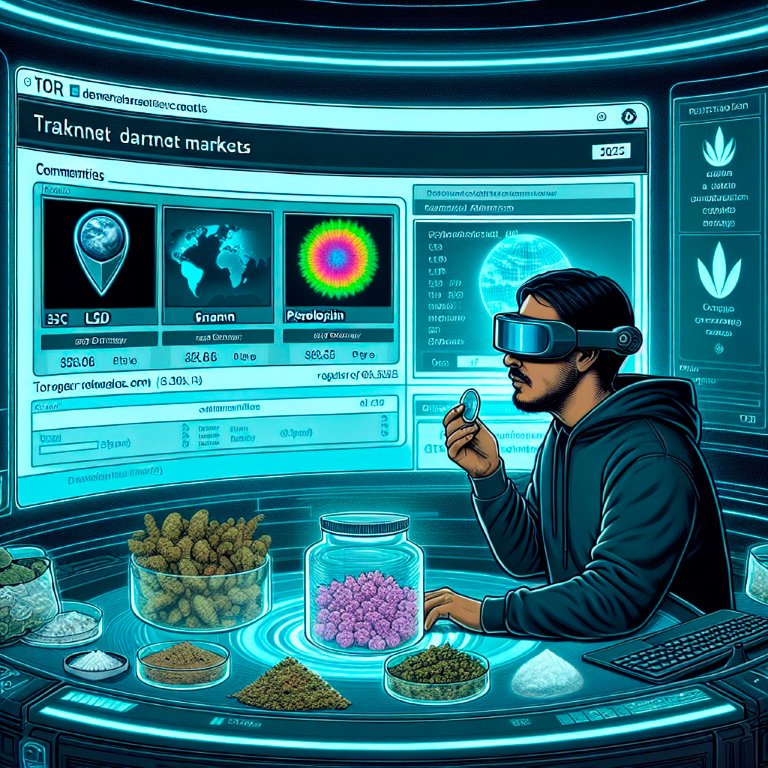
The product diversity on established darknet markets is a primary driver of their economic activity. Unlike geographically constrained physical markets, these platforms aggregate global supply, creating a virtual emporium with a catalog depth that directly addresses specific consumer demand. This selection is not random but is structured through vendor shops and categorized listings, which function similarly to departments in conventional e-commerce.
Markets typically organize goods using a clear taxonomy. Common top-level categories include substances like cannabis, stimulants, psychedelics, and pharmaceuticals. Each category branches into more specific sub-types, potencies, and forms. For instance, a cannabis section may list offerings of flower, concentrates, and edibles, further subdivided by strain or THC content. This granularity allows for precise searching and comparison.
The range extends beyond psychoactive substances. A comprehensive market will also list:
- Digital goods such as software, guides, and compromised data.
- Physical items including counterfeit currency, documents, and electronics.
- Services ranging from digital fraud to secure communication setups.
This breadth creates a competitive environment where vendors differentiate themselves not only on price but on product quality, rarity, and presentation. Detailed product pages with images, laboratory analysis results for purity, and extensive customer reviews provide a data-rich environment for making informed purchasing decisions. The system mirrors the feedback mechanisms of surface web marketplaces, fostering a degree of vendor accountability and consumer trust within the platform's own parameters.
How Darknet Markets Keep Your Shopping Private and Secure
Privacy on darknet markets is achieved through layered technological protocols. Transactions use cryptocurrencies like Monero or Bitcoin, which obscure financial trails by operating on decentralized, public ledgers that do not require personal identification. Direct buyer-seller communication is encrypted, preventing third-party interception of order details or addresses.
Security for users is enforced by the market's escrow system. Funds for a purchase are held in escrow by the market until the buyer confirms satisfactory receipt of the product. This mechanism financially incentivizes vendors to ship high-quality items and discourages fraudulent "exit scams." User security is further enhanced by two-factor authentication (2FA) and the practice of using unique passwords for each market login.
Operational security (OpSec) remains a user responsibility. Key practices include:
- Using the Tor browser exclusively to access .onion links, which anonymizes network traffic.
- Never revealing personal information in communications or public forums.
- Consulting community feedback and vendor ratings before a first purchase, as a seller's reputation is a primary indicator of reliability.
These integrated privacy and security features create a protected environment where commerce can proceed with reduced risk, fostering trust and enabling a wider selection of goods to be traded freely according to consumer demand.

How Darknet Markets Keep Running Smoothly
The operational resilience of darknet markets is a primary factor in their sustained functionality and user trust. This resilience is not accidental but is engineered through decentralized infrastructure. Markets operate on servers hidden by services like Tor and I2P, making a single point of failure unlikely. If one node or server is compromised, the network can reroute traffic, maintaining access for users.
This structural design is complemented by robust financial security models. The near-universal adoption of multisignature escrow and direct cryptocurrency transactions removes the need for a central, vulnerable treasury. Funds are distributed between buyer, seller, and escrow service, so a market's sudden exit does not automatically result in total loss of user capital. This financial decentralization directly contributes to operational stability.
Administrators further ensure continuity through proactive adaptation. Common practices include:
- Maintaining active mirrors and backup domains to counter takedowns.
- Encouraging user reliance on PGP encryption for all communications, securing data even if a server is seized.
- Implementing regular software updates to patch vulnerabilities before they can be exploited.
The community itself acts as a stabilizing force. Forums and review systems provide crowdsourced verification of market integrity. A market that attempts to scam users or suffers repeated downtime faces rapid reputation loss and user migration. This creates a natural selection for markets that prioritize reliable, secure operations, as their longevity depends on maintaining a positive standing within the user base.
How Darknet Markets Listen to Their Users
The evolution of darknet markets is driven by user feedback and competitive pressure. Platforms that fail to adapt quickly lose their user base to more responsive alternatives. This user-centric development creates a feedback loop where market features directly reflect collective buyer and seller demands.
Interface design has shifted from technical and complex to intuitive and accessible. Modern markets prioritize a clean layout, clear product categorization, and a streamlined checkout process. This lowers the barrier to entry, allowing users with varying technical skills to navigate the platform efficiently. Search functions now include filters for vendor reputation, shipping origin, and product purity, enabling precise and informed purchasing decisions.
Payment flexibility is a critical adaptation. While Bitcoin remains common, support for privacy-focused cryptocurrencies like Monero is now a standard expectation due to its enhanced transactional anonymity. Markets have integrated these options seamlessly, often providing automated wallet addresses and clear payment status trackers. Some platforms have developed internal escrow and finalize-early systems that balance security with speed, giving users control over their transaction flow.
Communication tools have also been refined. Encrypted messaging systems between buyers and sellers are standard, but features have expanded to include:
- Automated dispute resolution tickets
- Public feedback sections with image upload capabilities
- Vendor-issued updates on shipping delays or stock changes
This transparency builds trust and allows for quicker resolution of issues without market administrator intervention. Furthermore, markets now cater to specific regional needs by highlighting vendors who offer domestic shipping, which reduces seizure risk and delivery times, and by supporting multiple languages on the platform interface. The result is a tailored environment where functionality is continuously aligned with practical user requirements for security, convenience, and reliability.
How Darknet Markets Improve Shopping
Efficient trade on darknet markets is driven by direct competition among vendors, which naturally regulates prices and improves product quality. Consumers benefit from a system where vendor reputation, detailed in escrow-protected feedback, is the primary currency. This creates a self-regulating environment where superior service and product consistency are rewarded with more business.
The mechanism is straightforward: a buyer selects a product, funds are held in multisignature escrow, and the vendor ships the order. Upon receipt and verification, the buyer releases the funds. This process minimizes fraud and ensures transactional integrity. The wide selection available means consumers are not limited by geography and can make choices based on detailed product listings and past customer reviews, fostering an informed purchasing decision.
Market efficiency is further enhanced by features like:
- Advanced search filters and wishlist functions
- Vendor-level and product-level review systems
- Direct messaging for pre-purchase inquiries
This structure mirrors conventional e-commerce platforms but operates with a focus on privacy and consumer sovereignty. The result is a streamlined commercial experience where choice is expanded, and market forces operate with minimal interference, directly linking vendor performance to commercial success.