Darknet Markets 2026:
The dark web is part of the deep web but is built on darknets: overlay networks that sit on the internet but which can't be accessed without special tools or software like Tor. Tor is an anonymizing software tool that stands for The Onion Router — you can use the Tor network via Tor Browser.
| Darknet Market | Established | Total Listings | Link |
|---|---|---|---|
| TorZon Market | 2022 | 140+ | Onion Link |
| Nexus Market | 2024 | 600+ | Onion Link |
| Abacus Market | 2022 | 100+ | Onion Link |
| Ares | 2026 | 100+ | Onion Link |
| Cocorico | 2023 | 110+ | Onion Link |
Updated 2026-09-14
How Nexus Mirrors Keep the Drug Trade Running Smoothly
Nexus onion mirrors are identical copies of the primary marketplace website, hosted on separate servers within the Tor network. They exist as a fundamental redundancy mechanism. The core reason for their creation is the inherent volatility of darknet infrastructure, where a single point of failure can disrupt access for all users. By distributing the site across multiple onion mirror links, the marketplace ensures that if one server becomes unavailable, trade can continue seamlessly through another.
This architecture directly supports a secure and steady drug trade. For buyers and vendors, consistent access is not a convenience but a commercial necessity. Mirrors prevent the loss of sales, communication breakdowns, and inventory management issues that occur during downtime. The existence of a reliable mirror list means the marketplace maintains its user base, transaction volume, and operational integrity. It transforms a potentially fragile single website into a resilient service, where the trade ecosystem remains active and predictable regardless of individual server status.
How Mirror Links Keep the Darknet Market Open for Business
The operational continuity of a darknet marketplace is fundamentally dependent on its network architecture. A single point of failure, such as one primary .onion address, presents a significant risk to both vendors and buyers. The implementation of a mirror link system directly mitigates this risk by creating redundant, identical copies of the site hosted on separate servers.
When the primary address becomes unreachable due to voluntary maintenance, distributed denial-of-service (DDoS) attacks, or server outages, these mirrors function as immediate backup access points. This is not merely a convenience but a critical infrastructure component. The process is analogous to having multiple identical doors to the same room; if one is blocked, others remain open, ensuring the room's contents and functions are still available.
The technical mechanism is straightforward:
- A vendor updates their product listings or inventory on one mirror.
- This data is synchronized across all other mirrors in the network.
- A buyer can then view these updates and complete a transaction through any functional mirror.
This synchronization ensures that the market's stateincluding orders, escrow balances, and communicationis consistent regardless of the entry point used. Consequently, trade flows are not interrupted by the loss of a single server. The existence of multiple access points distributes user traffic, which can improve load times and reduce strain during peak activity periods. For the ecosystem, this redundancy translates directly into steady sales and reliable procurement, as the platform's availability ceases to be a variable dependent on a solitary, vulnerable node.
How Separate Servers Keep a Darknet Market Online
The operational resilience of a major darknet marketplace like Nexus is fundamentally dependent on its distributed server infrastructure. This architecture employs multiple, geographically and administratively separate servers that host identical copies of the site, known as mirrors. Each mirror functions as an independent access point, ensuring that the marketplace remains online even if one or several servers are compromised by technical failure or targeted attacks.
The primary mechanism is redundancy. When a user cannot connect to the primary .onion address, a verified mirror link provides immediate alternative access. This separation of servers means that trade and communication are not halted by a single point of failure. The technical setup involves synchronizing data across these separate nodes to maintain a consistent state of listings, orders, and escrow balances, which is critical for maintaining trust among buyers and vendors.
For the user, this translates to consistent availability. A reliable mirror list directly supports stable trade and sales by minimizing downtime. The direct benefit is fewer interruptions during transactions, which is essential for a secure and steady marketplace ecosystem. The technical resilience provided by separate servers therefore creates a more robust platform, directly linking mirror reliability to overall user satisfaction and commercial continuity on the darknet.
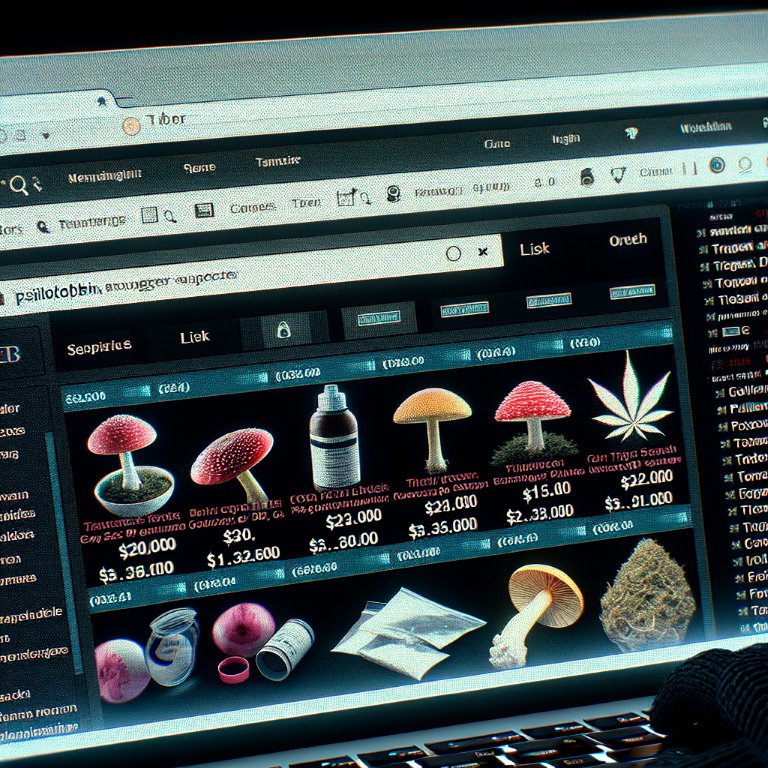
How Tor Enables Safe Trade on the Darknet
The Tor network is the essential infrastructure for accessing platforms like Nexus. It operates by routing a user's connection through several encrypted layers, or relays, which anonymizes the origin of the traffic. This process ensures that a user's physical location and identity remain separated from their activity on the darknet market. For a marketplace, this provides a foundational layer of privacy for all participants, which is a prerequisite for its operation.
Accessing the market through a verified onion mirror link within the Tor Browser is the standard method. These mirrors are the specific gateway addresses ending in .onion. When a primary address is unreachable, a functional mirror provides an identical entry point. The combination of Tor's routing and a reliable mirror list creates a resilient access system. This technical setup directly supports stable trade by minimizing downtime, which in turn facilitates consistent sales and supplier revenue.
The anonymity provided is not absolute but is strengthened by user practices. The use of Tor in conjunction with other privacy tools allows for secure communication and transaction finalization. This environment enables the marketplace to function as a consistent platform for trade, where access barriers are reduced. The direct outcome is a more predictable and steady commercial environment for all users, contributing to the marketplace's overall resilience and the satisfaction of its user base.
How Mirror Lists Keep Drug Sales Flowing on the Darknet
The operational stability of a darknet marketplace is a direct economic variable. A reliable mirror list functions as a critical infrastructure component, mitigating the inherent volatility of individual onion services. When a primary address experiences downtimea common occurrence due to server maintenance, denial-of-service attacks, or administrative rotationtrade does not halt. Users and vendors seamlessly transition to an alternative mirror link from the verified list. This continuity prevents the loss of sales, preserves active negotiations, and ensures that order fulfillment proceeds without interruption.
The economic impact is measurable. For vendors, consistent access translates to predictable revenue streams and operational reliability, allowing for inventory management and customer service. Buyers benefit from the ability to place orders, track shipments, and finalize transactions on schedule. This reduces friction in the drug trade, fostering trust in the platform as a whole. The mirror list, therefore, is not merely a technical convenience but a foundational element for market liquidity. It ensures that the marketplace remains a persistent venue for exchange, rather than an intermittent one, directly supporting higher volumes of stable trade and sales.

How Mirror Lists Keep Drug Sales Running Smoothly
The primary advantage of a reliable mirror list for a platform like Nexus is the establishment of consistent access. In the context of darknet commerce, where operational security and transaction finality are paramount, user access cannot be subject to the single point of failure that a primary .onion address represents. A robust network of mirrors functions as a redundant system, ensuring that if one pathway is slow or unresponsive, several others are immediately available. This technical redundancy translates directly into fewer interruptions for buyers and vendors.
For the vendor, this consistency means the ability to manage orders, update listings, and communicate with customers without disruptive downtime. Sales cycles are maintained, and trust with the client base is reinforced through reliable presence. For the buyer, it eliminates the frustration and potential security risk of searching for a new, verified address through unofficial channels, which can often lead to phishing sites. Instead, a user with a trusted mirror list can proceed with their activities with minimal delay.
The consequence is a stabilized trading environment. When users are confident they can access the marketplace predictably, overall platform activity remains steady. This stability is not merely a convenience; it is a foundational component for a secure and steady drug trade. It allows for planned interactions, reduces errors caused by rushed transactions during limited access windows, and supports the continuous flow of commerce that benefits all participants on the Nexus darknet market.
How Mirrors Keep the Market Open for Business
The resilience of a darknet marketplace is directly engineered through its distributed technical architecture. A network of onion mirrors functions as redundant access points, each an identical copy of the primary site hosted on separate servers. This design ensures that if one server fails or is taken offline, the marketplace remains accessible through alternative mirrors. The Tor network provides the foundational layer for secure and anonymous connections to these mirrors, protecting the location of the servers and the identity of the users.
This setup directly mitigates the single point of failure problem common in centralized platforms. For a marketplace, operational continuity is critical for maintaining trust and economic activity. A reliable mirror list allows vendors to manage their shops and fulfill orders without interruption, while buyers can consistently browse, purchase, and receive their products. The technical redundancy translates into economic stability, as sales and trade flows are not disrupted by access issues. The more robust and well-maintained the mirror system, the more resilient the entire marketplace ecosystem becomes against external disruptions, leading directly to higher user satisfaction and sustained platform viability.

How Reliable Mirrors Make Shopping on the Darknet Better
The stability of a darknet marketplace is fundamentally tied to its technical infrastructure, where mirror reliability directly dictates user satisfaction. A consistent and accessible mirror list ensures that buyers and sellers can conduct transactions without the frequent interruptions caused by a single point of failure. This operational continuity is critical for maintaining trust within the ecosystem, as users rely on predictable access to manage their activities, communicate, and finalize sales.
When mirrors function as intended, they create a seamless user experience. This reduces frustration and builds a positive reputation for the platform, encouraging repeat business and fostering a stable economic environment. The technical setup of distributed servers through the Tor network is not merely a backup solution; it is the primary mechanism that supports a steady and secure drug trade by guaranteeing that the marketplace remains online despite external pressures or attacks on individual nodes.
The direct correlation is clear: a robust network of verified onion mirrors leads to higher user retention and smoother commercial operations. Satisfied users are those who experience minimal downtime, can access their accounts and funds reliably, and can engage in trade with confidence. Therefore, the investment in and maintenance of a reliable mirror system is a direct investment in the marketplace's longevity and its ability to serve its user base effectively.